Discovering Unique Neurodiverse Narratives: Exploring Neurodivergent Stories
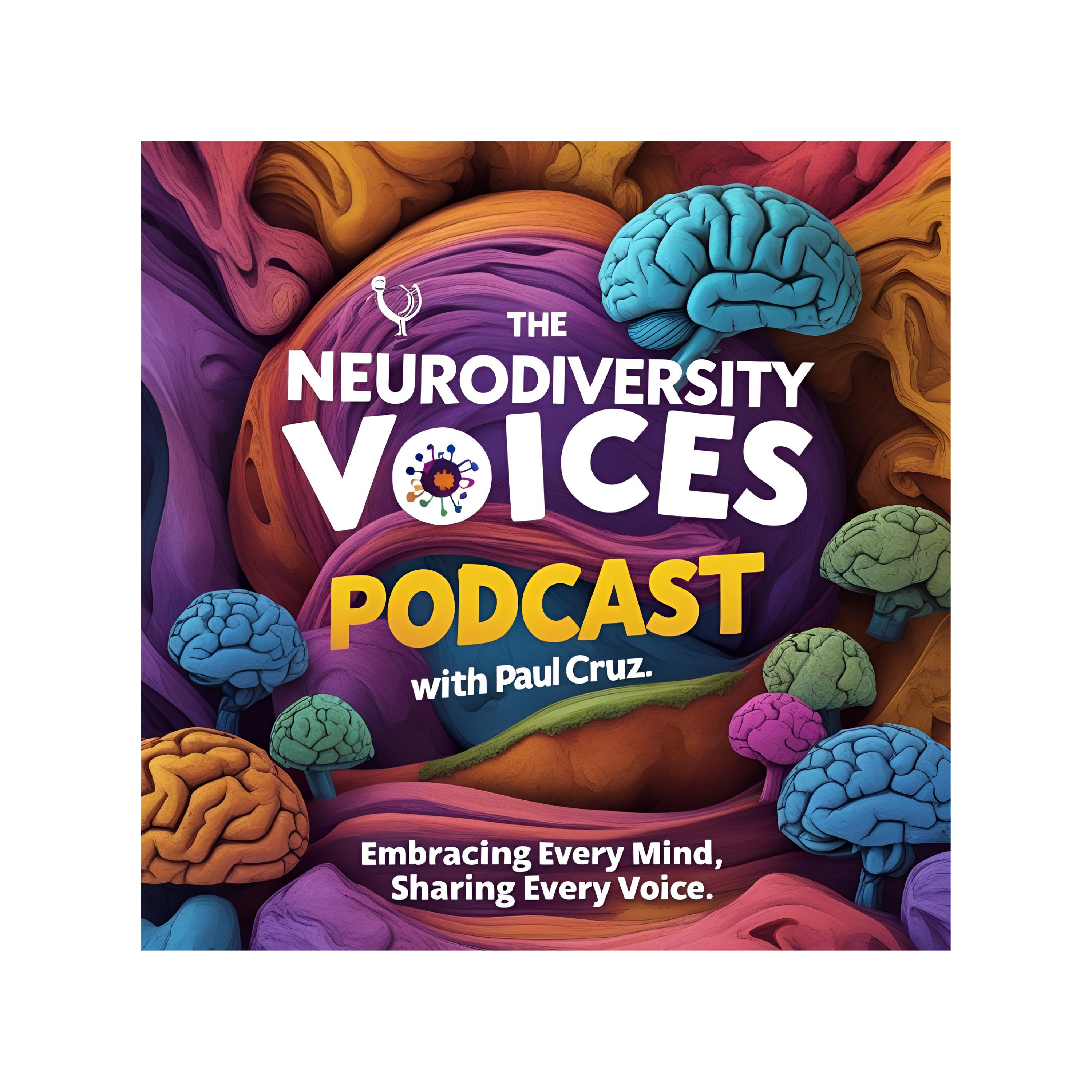
Every individual’s mind works in its own unique way. For many, this uniqueness is part of what we call neurodiversity. As someone who has spent time listening to and sharing diverse perspectives, I find that exploring unique neurodiverse narratives opens doors to understanding, empathy, and connection. These stories reveal the wide variety of human experience and challenge us to rethink what it means to be “typical.”
Embracing Unique Neurodiverse Narratives
When we talk about neurodiversity, we refer to the natural variations in how brains function. This includes conditions such as autism, ADHD, dyslexia, and more. Each person’s experience is different, shaped by their environment, personality, and support systems. By embracing unique neurodiverse narratives, we gain insight into the strengths and challenges that come with different ways of thinking.
For example, some individuals with autism may have exceptional attention to detail or a deep passion for specific subjects. Others with ADHD might demonstrate remarkable creativity and problem-solving skills. These qualities often go unnoticed in traditional settings but shine brightly when given the right space to flourish.
Sharing these stories helps break down stereotypes and promotes acceptance. It encourages us to create environments where everyone can thrive, whether at work, school, or in social settings. Listening carefully to these narratives also reminds us that no one-size-fits-all approach works when supporting neurodivergent individuals.

The Power of Listening to Neurodivergent Stories
One of the most powerful ways to understand neurodiversity is through personal stories. These accounts provide a window into the lived experiences of neurodivergent individuals. They reveal not only the obstacles faced but also the resilience, creativity, and joy found along the way.
For instance, a person with dyslexia might share how they developed unique strategies to excel in reading and writing despite early struggles. Someone with ADHD could describe how they harness their energy to succeed in dynamic, fast-paced environments. These stories are not just about challenges; they are about growth, adaptation, and identity.
By engaging with neurodivergent stories, we foster a culture of empathy and inclusion. We learn to appreciate different communication styles, sensory experiences, and ways of processing information. This understanding can lead to practical changes, such as flexible work arrangements, sensory-friendly spaces, and tailored educational approaches.

What Billionaire Has Asperger's?
One well-known example of a successful individual with Asperger’s syndrome is Elon Musk. His story often comes up in discussions about neurodiversity and success. Musk has publicly acknowledged his diagnosis, which has helped raise awareness about Asperger’s and the broader autism spectrum.
Elon Musk’s journey illustrates how unique cognitive profiles can contribute to innovation and leadership. His intense focus, unconventional thinking, and willingness to take risks have driven advancements in technology and space exploration. While his path is unique, it highlights the potential within neurodivergent minds when supported and understood.
It is important to remember that every neurodivergent person’s experience is different. Success looks different for everyone, and it is not limited to fame or wealth. Celebrating a wide range of achievements, big and small, helps build a more inclusive narrative around neurodiversity.
Practical Ways to Support and Celebrate Neurodiverse Narratives
Supporting neurodiverse individuals means creating spaces where their voices are heard and valued. Here are some practical steps that can make a difference:
Listen Actively: Give space for neurodivergent individuals to share their stories without interruption or judgment.
Educate Yourself: Learn about different neurodivergent conditions and the variety of experiences within them.
Promote Flexibility: Encourage flexible schedules, communication methods, and work environments.
Create Sensory-Friendly Spaces: Adjust lighting, noise levels, and seating arrangements to accommodate sensory needs.
Use Inclusive Language: Respect preferred terms and avoid stereotypes or assumptions.
Amplify Voices: Share and support platforms that highlight neurodivergent stories and perspectives.
By taking these steps, we contribute to a culture that values diversity in all its forms. This not only benefits neurodivergent individuals but also enriches communities and workplaces as a whole.
Continuing the Journey of Understanding
Exploring unique neurodiverse narratives is an ongoing journey. Each story adds depth to our collective understanding and challenges us to be more compassionate and open-minded. As we listen and learn, we help build a world where neurodivergence is not just accepted but celebrated.
The Neurodiversity Voices Podcast is one such platform dedicated to amplifying these diverse experiences. It offers a space where neurodivergent individuals can share their insights and connect with others who appreciate the richness of different minds.
By engaging with these stories, we move closer to a neuroaffirming world - one where everyone’s unique way of thinking is seen as a valuable part of the human mosaic.
Thank you for joining me in this exploration of unique neurodiverse narratives. May we continue to listen, learn, and grow together.


Comments