Building Resilience: Thriving with ADHD and Autism
Updated: Apr 6
Living with ADHD or autism can bring unique challenges every day. These challenges often affect how we focus, communicate, and manage emotions. Yet, many people find ways to build resilience and thrive despite these difficulties. I want to share practical tips that have helped me and others develop strength and balance while navigating life with neurodiversity.
Resilience means bouncing back from setbacks and adapting to change. It’s not about avoiding struggles but learning how to face them with confidence and self-compassion. Whether you are newly diagnosed or have lived with ADHD or autism for years, these strategies can support your well-being and growth.
Understanding Resilience in Neurodivergent Lives
Resilience is a skill we can build over time. For people with ADHD or autism, it often involves recognizing personal strengths and creating routines that reduce stress. It also means accepting that some days will be harder than others, and that’s okay.
One key part of resilience is self-awareness. Knowing your triggers, energy levels, and sensory needs helps you plan your day better. For example, if bright lights or loud noises overwhelm you, finding quiet spaces or using noise-cancelling headphones can make a big difference.
Another important aspect is self-advocacy. Speaking up for your needs at work, school, or in social settings helps create environments where you can succeed. This might mean asking for extra time on tasks, requesting clear instructions, or setting boundaries around your time.
Practical Tips to Build Resilience
Here are some simple, effective ways to strengthen your resilience while living with ADHD or autism:
1. Create Predictable Routines
Having a daily routine can reduce anxiety and improve focus. Try to keep regular times for waking up, meals, work, and rest. Use planners or apps to organize tasks and appointments. Visual schedules can be especially helpful for those who prefer seeing their day laid out clearly.
2. Break Tasks into Smaller Steps
Large projects can feel overwhelming. Breaking them into manageable parts makes them easier to tackle. Celebrate small wins along the way to stay motivated.
3. Use Tools Designed for Neurodivergent Needs
Certain products can support focus and organization. For example, the Time Timer is a visual timer that shows how much time is left for a task. It helps with time management and reduces the stress of guessing how long something will take.
Another helpful tool is the Fidget Cube, which provides a quiet way to release nervous energy and improve concentration during work or study.
4. Practice Mindfulness and Relaxation
Mindfulness exercises, such as deep breathing or guided meditation, can calm the mind and body. Apps like Headspace or Calm offer short sessions tailored for beginners. Even a few minutes a day can improve emotional regulation.
5. Build a Support Network
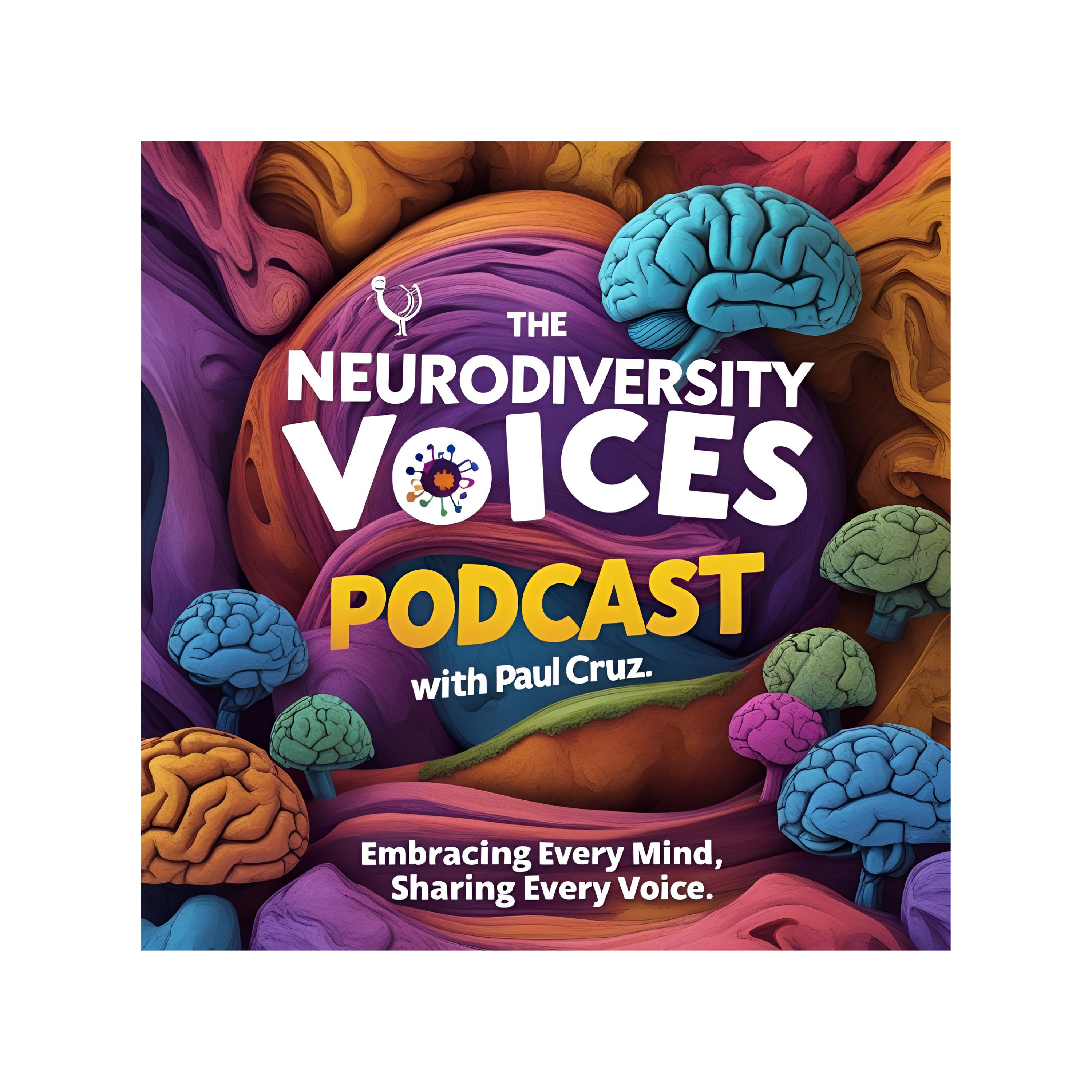
Connecting with others who understand your experiences is vital. Support groups, online communities, or podcasts focused on neurodiversity can provide encouragement and practical advice. The Neurodiversity Voices Podcast is a great example of a platform sharing stories and insights from neurodivergent individuals.
How Specialized Services Can Help
Sometimes, professional support makes a big difference. Services that focus on neurodivergent needs can offer personalized strategies and coaching.
For instance, ADHD coaching helps develop skills like time management, goal setting, and emotional control. Coaches work with you to create plans that fit your lifestyle and challenges.
Similarly, autism support programs provide social skills training, sensory integration therapy, and communication tools. These services can improve confidence and independence.
If you are looking for resources, consider exploring local or online options that specialize in neurodiversity. Many offer flexible formats, including virtual sessions, which can be more comfortable and accessible.

Embracing Strengths and Self-Compassion
Resilience is not just about managing difficulties. It’s also about recognizing your unique strengths. Many people with ADHD or autism have exceptional creativity, problem-solving skills, and deep focus on interests.
Celebrate these qualities and find ways to use them in your daily life. Whether it’s through hobbies, work, or relationships, focusing on what you do well builds confidence.
At the same time, practice self-compassion. Be patient with yourself when things don’t go as planned. Everyone faces setbacks, and it’s okay to ask for help or take breaks.
Living with ADHD or Autism as an Adult
If you want to learn more about living with ADHD or autism as an adult, there are many resources available. Understanding your diagnosis and how it affects your life is the first step toward building resilience.
For example, the Living with ADHD or Autism as an Adult page offers insights and tips tailored to adults navigating these conditions. It covers topics like workplace accommodations, relationships, and self-care.
The Importance of Community and Connection
Building resilience is not a solitary journey. Engaging with a community can provide support and understanding. Sharing experiences with others who face similar challenges can be empowering.
Participating in local meetups or online forums can foster a sense of belonging. These connections can help you feel less isolated and more understood.
Celebrating Progress and Growth
As you work on building resilience, take time to acknowledge your progress. Each small step counts. Whether it’s mastering a new skill or simply getting through a tough day, celebrate your achievements.
Keeping a journal can be a helpful way to track your growth. Writing about your experiences can clarify your thoughts and feelings. It’s also a great way to reflect on what strategies work best for you.
Conclusion
Building resilience while living with ADHD or autism is a journey. It takes time, patience, and the right tools. By creating routines, using helpful products like the Time Timer or Fidget Cube, seeking support, and embracing your strengths, you can face challenges with greater ease.
Remember, resilience is about progress, not perfection. Each step you take toward understanding and supporting yourself adds to your strength. Keep exploring what works best for you and know that you are not alone on this path.
If you want to hear more stories and advice from neurodivergent voices, check out the Neurodiversity Voices Podcast. It’s a welcoming space to learn, connect, and grow.
This article is for informational purposes only and does not replace professional medical advice.


Comments