Neurodiversity Representation in Media: Highlighting Neurodiversity in Canadian Media
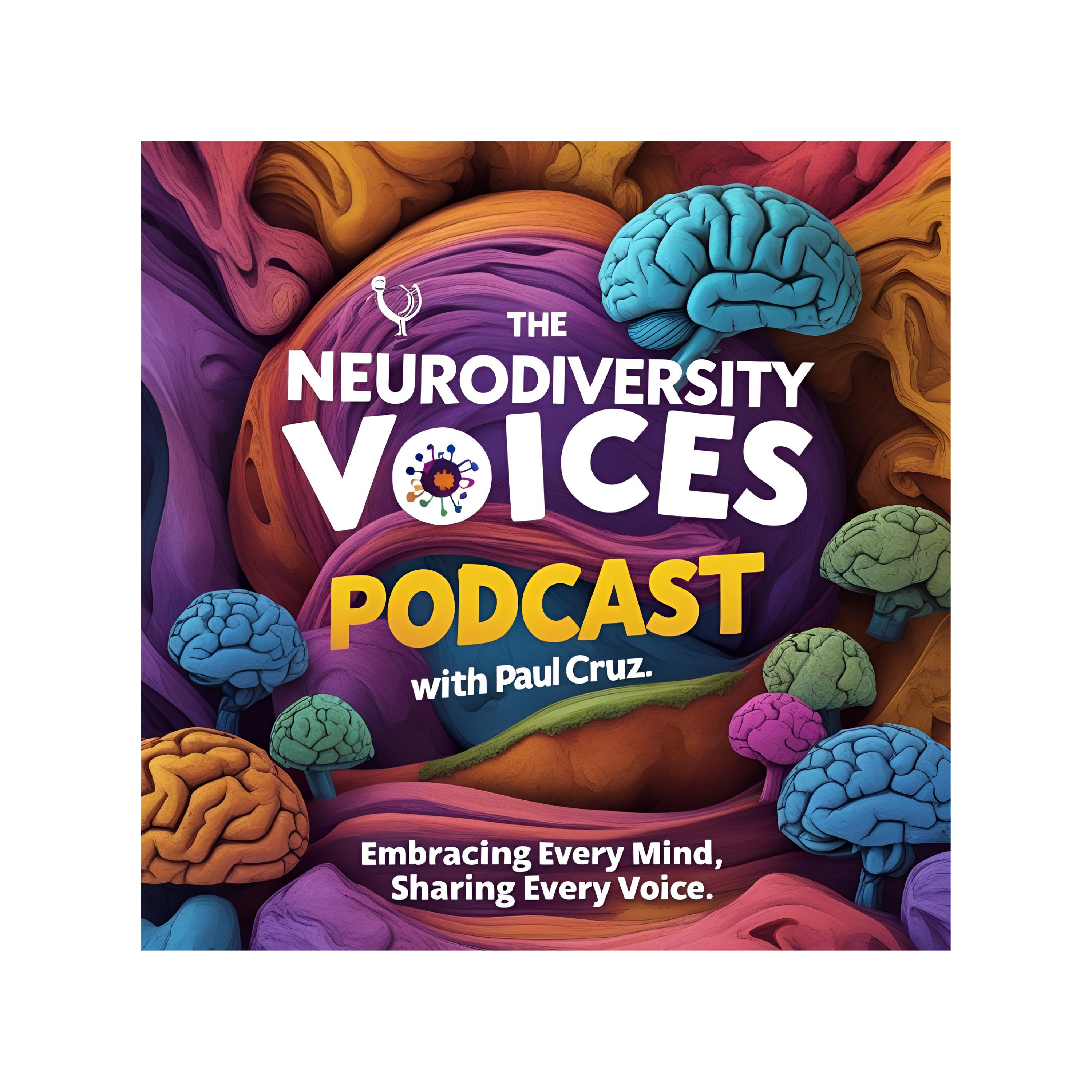
In recent years, the conversation around neurodiversity has gained momentum, encouraging a broader understanding and acceptance of the many ways human brains function. Media plays a crucial role in shaping public perception, and Canadian media has been making strides in representing neurodivergent individuals with more authenticity and respect. This post explores how neurodiversity is portrayed in Canadian media, the progress made, and the work still needed to foster a truly inclusive narrative.
The Importance of Neurodiversity Representation in Media
Representation matters. When media reflects the diversity of human experiences, it helps break down stereotypes and fosters empathy. For neurodivergent individuals, seeing themselves portrayed accurately and positively can be empowering. It validates their experiences and challenges the stigma often associated with neurological differences.
Canadian media has a unique opportunity to lead in this area. With its multicultural landscape and commitment to inclusion, Canada can set an example by showcasing stories that highlight the strengths, challenges, and everyday lives of neurodivergent people. This representation not only benefits neurodivergent individuals but also educates the wider public, promoting understanding and acceptance.
Key reasons why neurodiversity representation is vital:
Visibility: It brings neurodivergent experiences into the public eye.
Education: It informs audiences about different neurological conditions and perspectives.
Empowerment: It gives neurodivergent individuals a voice and a platform.
Inclusion: It fosters a culture of acceptance and respect.

Neurodiversity Representation in Media: Progress and Challenges
Canadian media has made commendable progress in recent years. Documentaries, TV shows, and podcasts increasingly feature neurodivergent voices and stories. For example, some Canadian productions have highlighted autism, ADHD, and other neurological differences with nuance and care. These portrayals often involve neurodivergent creators or consultants, ensuring authenticity.
However, challenges remain. Neurodivergence is sometimes still portrayed through a narrow lens, focusing on deficits rather than strengths. Stereotypes persist, and many neurodivergent individuals feel their stories are underrepresented or misrepresented. There is also a need for more diversity within neurodivergent representation itself, including different ages, ethnicities, and intersecting identities.
To continue improving, Canadian media can:
Collaborate with neurodivergent creators: Involve them in writing, directing, and producing content.
Expand narratives: Show a wide range of neurodivergent experiences beyond common diagnoses.
Avoid stereotypes: Portray individuals as complex, multi-dimensional people.
Promote accessibility: Ensure content is accessible to all audiences, including those with sensory sensitivities.
How is Neurodivergence Represented in the Media?
Representation of neurodivergence in media varies widely. Some portrayals are thoughtful and accurate, while others fall into clichés or misinformation. In Canadian media, there is a growing trend toward more respectful and informed depictions.
For instance, some Canadian TV series have introduced neurodivergent characters who are integral to the storyline, portrayed by actors who share those experiences. Documentaries often provide a platform for neurodivergent individuals to share their own stories, offering firsthand insight into their lives.
Despite these advances, many portrayals still focus heavily on challenges or medicalized views of neurodivergence. This can unintentionally reinforce negative perceptions. A more balanced approach includes highlighting strengths, talents, and the unique perspectives neurodivergent individuals bring to their communities.
Examples of positive representation include:
Characters who demonstrate creativity, problem-solving skills, and resilience.
Stories that explore the social and emotional aspects of neurodivergence without reducing individuals to their diagnosis.
Media that addresses systemic barriers and advocates for inclusion and accommodation.

The Role of Podcasts in Amplifying Neurodivergent Voices
Podcasts have emerged as a powerful medium for sharing diverse stories, including those related to neurodiversity. They offer a platform where neurodivergent individuals can speak openly about their experiences, challenges, and triumphs without the constraints often found in traditional media.
In Canada, podcasts focusing on neurodiversity provide valuable insights and foster community. They help listeners understand the nuances of neurodivergence and promote a neuroaffirming perspective. These podcasts often feature interviews, personal narratives, and expert discussions, making complex topics accessible and relatable.
For those interested in supporting or creating content around neurodiversity, consider these tips:
Center neurodivergent voices: Prioritize stories told by neurodivergent individuals themselves.
Use inclusive language: Avoid terms that pathologize or marginalize.
Provide resources: Share information about support networks and advocacy groups.
Encourage dialogue: Create spaces for listeners to ask questions and share their own experiences.
By embracing these practices, podcasts can contribute significantly to changing the narrative around neurodiversity.
Moving Forward: Building a Neuroaffirming Media Landscape
The journey toward comprehensive and respectful neurodiversity representation in Canadian media is ongoing. It requires commitment from creators, producers, and audiences alike. By embracing diversity in storytelling and prioritizing authenticity, media can become a catalyst for social change.
Here are some actionable steps to support this goal:
Educate media professionals: Offer training on neurodiversity and inclusive storytelling.
Support neurodivergent creators: Provide funding and platforms for their work.
Promote diverse narratives: Encourage stories that reflect the full spectrum of neurodivergent experiences.
Engage communities: Involve neurodivergent individuals in content development and feedback.
Together, these efforts can help build a media environment that celebrates neurodiversity and fosters understanding.
For those interested in exploring more about neurodiversity topics in media, there are many resources and communities dedicated to this important work.
By highlighting neurodiversity in Canadian media, we contribute to a richer, more inclusive cultural landscape. Every story shared, every voice heard, brings us closer to a world where all neurological differences are valued and embraced.


Comments