Top Themes and Topics Discussed in Neurodiverse Media
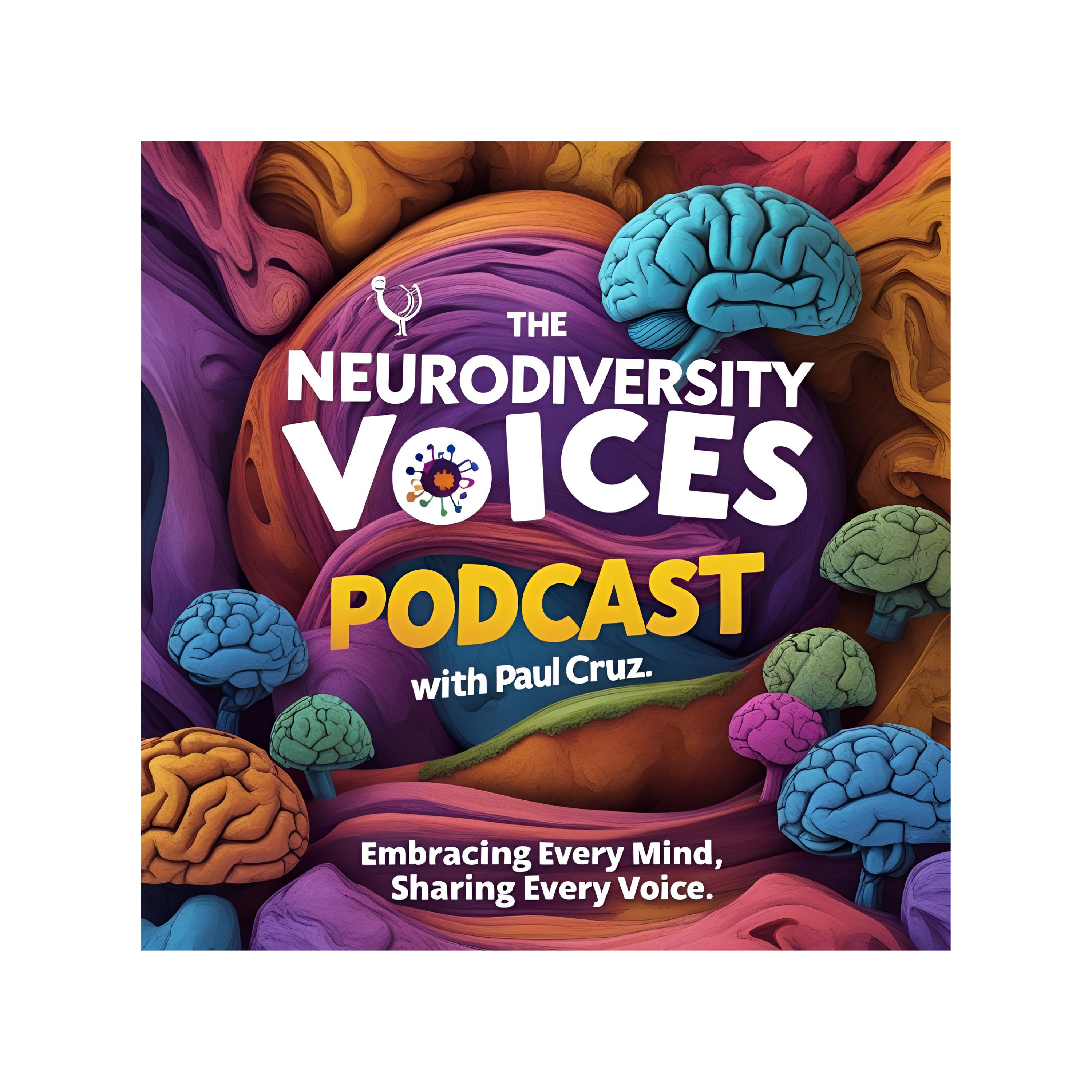
Neurodiverse media has become a vital platform for sharing experiences, raising awareness, and fostering understanding about the diverse ways human brains function. This media encompasses a wide range of formats, including articles, videos, podcasts, and social media content, all aimed at highlighting the voices and stories of neurodivergent individuals. As this field grows, certain themes and topics consistently emerge, reflecting the priorities and challenges faced by the neurodiverse community.
Exploring Representation in Neurodiverse Media
Representation is a cornerstone topic in neurodiverse media. It involves how neurodivergent individuals are portrayed in various media forms and the importance of authentic, respectful, and diverse depictions. Historically, neurodivergent people have often been misrepresented or underrepresented, leading to stereotypes and misunderstandings.
Today, many creators and advocates emphasize the need for:
Authentic storytelling: Sharing real-life experiences from neurodivergent individuals themselves.
Diverse perspectives: Including voices from different neurodivergent conditions, cultural backgrounds, and age groups.
Positive representation: Highlighting strengths, talents, and successes alongside challenges.
For example, documentaries and web series now often feature neurodivergent protagonists who discuss their daily lives, aspirations, and obstacles. This shift helps break down stigma and promotes empathy among wider audiences.

Key Topics in Neurodiverse Media Coverage
Neurodiverse media covers a broad spectrum of topics that resonate deeply with the community. Some of the most frequently discussed include:
Education and Learning Differences
Education is a critical area where neurodivergent individuals often face unique challenges. Media discussions focus on:
Inclusive teaching methods tailored to different learning styles.
The importance of individualized education plans (IEPs).
Strategies for supporting students with ADHD, autism, dyslexia, and other conditions.
Advocacy for systemic changes in schools to accommodate neurodiversity.
Practical advice is often shared, such as how parents and educators can collaborate to create supportive environments that foster growth and confidence.
Employment and Workplace Inclusion
Employment is another major theme. Neurodiverse media highlights barriers to employment, such as bias during hiring processes and lack of workplace accommodations. It also showcases success stories and innovative companies that embrace neurodiversity.
Key recommendations include:
Providing clear communication and flexible work arrangements.
Offering training to managers and coworkers about neurodiversity.
Creating mentorship programs to support career development.
These discussions aim to promote economic independence and job satisfaction for neurodivergent individuals.
Mental Health and Wellbeing
Mental health is intricately linked to neurodiversity. Media content often explores:
The impact of anxiety, depression, and sensory overload.
Coping mechanisms and self-care routines.
Access to mental health services that understand neurodivergent needs.
The intersection of neurodiversity with other identities and conditions.
Sharing personal stories and expert insights helps reduce isolation and encourages seeking help when needed.
Advocacy and Rights
Advocacy is a powerful theme, focusing on legal rights, policy changes, and social justice. Neurodiverse media promotes awareness of:
Disability rights legislation.
The importance of self-advocacy and community organizing.
Combating discrimination and ableism.
Promoting accessibility in public spaces and digital platforms.
This empowers individuals and allies to work toward a more inclusive society.
The Role of Neurodiversity Podcasts in Shaping Conversations
One of the most dynamic formats in neurodiverse media is podcasts. These audio programs provide a platform for in-depth conversations, storytelling, and expert interviews. They allow listeners to engage with complex topics in an accessible and personal way.
For those interested in exploring this medium, neurodiversity podcasts offer a wealth of content covering everything from daily life experiences to scientific research. They often feature:
Personal narratives that humanize neurodiversity.
Discussions on current events and policy.
Tips for navigating social situations and relationships.
Insights from professionals in psychology, education, and advocacy.
Podcasts are especially valuable for their ability to reach diverse audiences and foster community connection.

Emerging Trends and Future Directions in Neurodiverse Media
As neurodiverse media continues to evolve, several emerging trends are shaping its future:
Intersectionality: Increasing focus on how neurodiversity intersects with race, gender, sexuality, and socioeconomic status.
Technology and Innovation: Exploring how assistive technologies and apps can support neurodivergent individuals.
Global Perspectives: Highlighting neurodiversity experiences from different cultures and countries.
Youth Voices: Amplifying the perspectives of young neurodivergent people to influence education and policy.
Creative Expression: Showcasing art, music, and writing by neurodivergent creators as a form of empowerment.
These trends reflect a growing recognition of the complexity and richness of neurodiverse experiences.
Practical Tips for Engaging with Neurodiverse Media
To make the most of neurodiverse media, consider the following tips:
Seek out diverse sources: Explore content created by neurodivergent individuals from various backgrounds.
Engage actively: Participate in discussions, comment respectfully, and share content to raise awareness.
Apply learnings: Use insights from media to improve your understanding and support of neurodivergent people in your life.
Support creators: Follow, subscribe, and contribute to platforms that prioritize authentic neurodiverse voices.
Stay informed: Keep up with new developments and emerging topics to deepen your knowledge.
By doing so, you contribute to a more inclusive and informed community.
Neurodiverse media plays a crucial role in shaping public understanding and fostering acceptance. Through authentic representation, focused discussions on education, employment, mental health, and advocacy, and the engaging format of podcasts, it offers valuable insights and inspiration. As this media landscape grows, it continues to empower neurodivergent individuals and allies alike, paving the way for a more inclusive future.


Comments