Embracing Neurodiversity: Understanding Neurodiversity Insights and Benefits
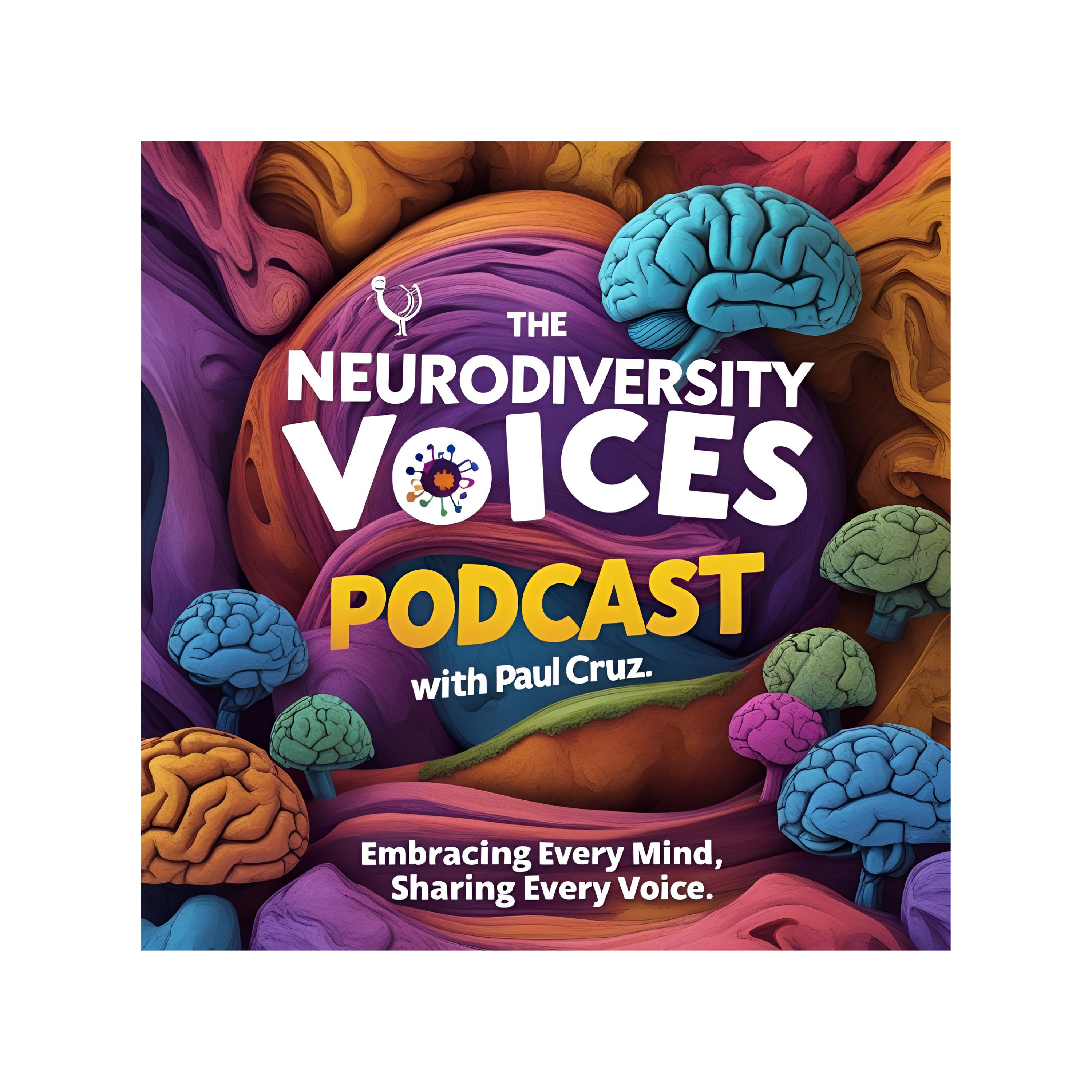
Neurodiversity is a concept that recognizes and respects the natural variations in human brain function and behavior. It challenges the traditional view that neurological differences are deficits or disorders to be cured. Instead, neurodiversity celebrates these differences as part of the rich tapestry of human diversity. Embracing neurodiversity means valuing diverse ways of thinking, learning, and interacting with the world.
Understanding neurodiversity is essential for creating inclusive environments where everyone can thrive. This blog post explores the insights and benefits of embracing neurodiversity, offering practical information and examples to help foster acceptance and support.
Understanding Neurodiversity: What It Means and Why It Matters
Neurodiversity refers to the idea that neurological differences such as autism, ADHD, dyslexia, and other cognitive variations are natural and valuable forms of human diversity. These differences affect how people process information, communicate, and experience the world.
Key Points About Neurodiversity
It is not a disorder but a difference: Neurodiverse individuals have unique strengths and challenges.
Diversity enriches society: Different perspectives lead to innovation and creativity.
Inclusion benefits everyone: Accommodating diverse needs improves environments for all.
For example, a person with dyslexia might excel in visual thinking and problem-solving, while someone with ADHD may bring high energy and creativity to a team. Recognizing these strengths helps shift the focus from limitations to potential.

The Benefits of Embracing Neurodiversity in Society and Workplaces
Embracing neurodiversity offers numerous benefits across various settings, especially in education and the workplace. When organizations and communities value neurological differences, they unlock new opportunities for growth and innovation.
Benefits in the Workplace
Enhanced creativity and problem-solving: Diverse cognitive styles lead to unique ideas.
Improved employee engagement: Inclusive environments foster loyalty and motivation.
Broader talent pool: Hiring neurodiverse individuals taps into underutilized skills.
For instance, companies that actively recruit and support neurodiverse employees often see increased productivity and innovation. Providing accommodations such as flexible work hours or quiet spaces can make a significant difference.
Benefits in Education
Personalized learning: Tailoring teaching methods to different learning styles improves outcomes.
Reduced stigma: Acceptance encourages students to embrace their strengths.
Better social inclusion: Diverse classrooms promote empathy and understanding.
Educators can use tools like visual aids, hands-on activities, and technology to support neurodiverse learners effectively.
Practical Strategies to Support Neurodiversity in Everyday Life
Supporting neurodiversity requires intentional actions that create welcoming and accessible environments. Here are some practical strategies:
Educate Yourself and Others
Learn about different neurological conditions and share accurate information to dispel myths.
Promote Inclusive Communication
Use clear, straightforward language and be patient in conversations.
Create Sensory-Friendly Spaces
Reduce noise, bright lights, and other sensory triggers in public and private areas.
Offer Flexible Options
Allow alternative ways to complete tasks or participate in activities.
Encourage Strength-Based Approaches
Focus on individual talents and interests rather than deficits.
For example, a community center might designate quiet hours or provide sensory kits to support neurodiverse visitors.

How Media and Resources Can Enhance Understanding of Neurodiversity
Media plays a crucial role in shaping perceptions of neurodiversity. Positive representation and accessible resources help build awareness and acceptance.
Books and documentaries: Share real stories and experiences.
Podcasts: Offer in-depth discussions and expert insights. For example, listening to a neurodiversity podcast can provide valuable perspectives and practical advice.
Workshops and training: Equip educators, employers, and families with tools to support neurodiverse individuals.
Engaging with these resources encourages empathy and informed action.
Moving Forward: Creating a Neurodiverse-Friendly Future
The journey toward embracing neurodiversity is ongoing. It requires commitment from individuals, organizations, and society as a whole.
Steps to Take
Advocate for inclusive policies in education, employment, and healthcare.
Celebrate neurodiverse achievements publicly to challenge stereotypes.
Foster collaboration between neurodiverse individuals and allies.
By valuing neurodiversity, we build communities where everyone can contribute their unique gifts and live fulfilling lives.
Embracing neurodiversity is not just about acceptance but about recognizing the strength in our differences. It opens doors to innovation, compassion, and a richer human experience.


Comments